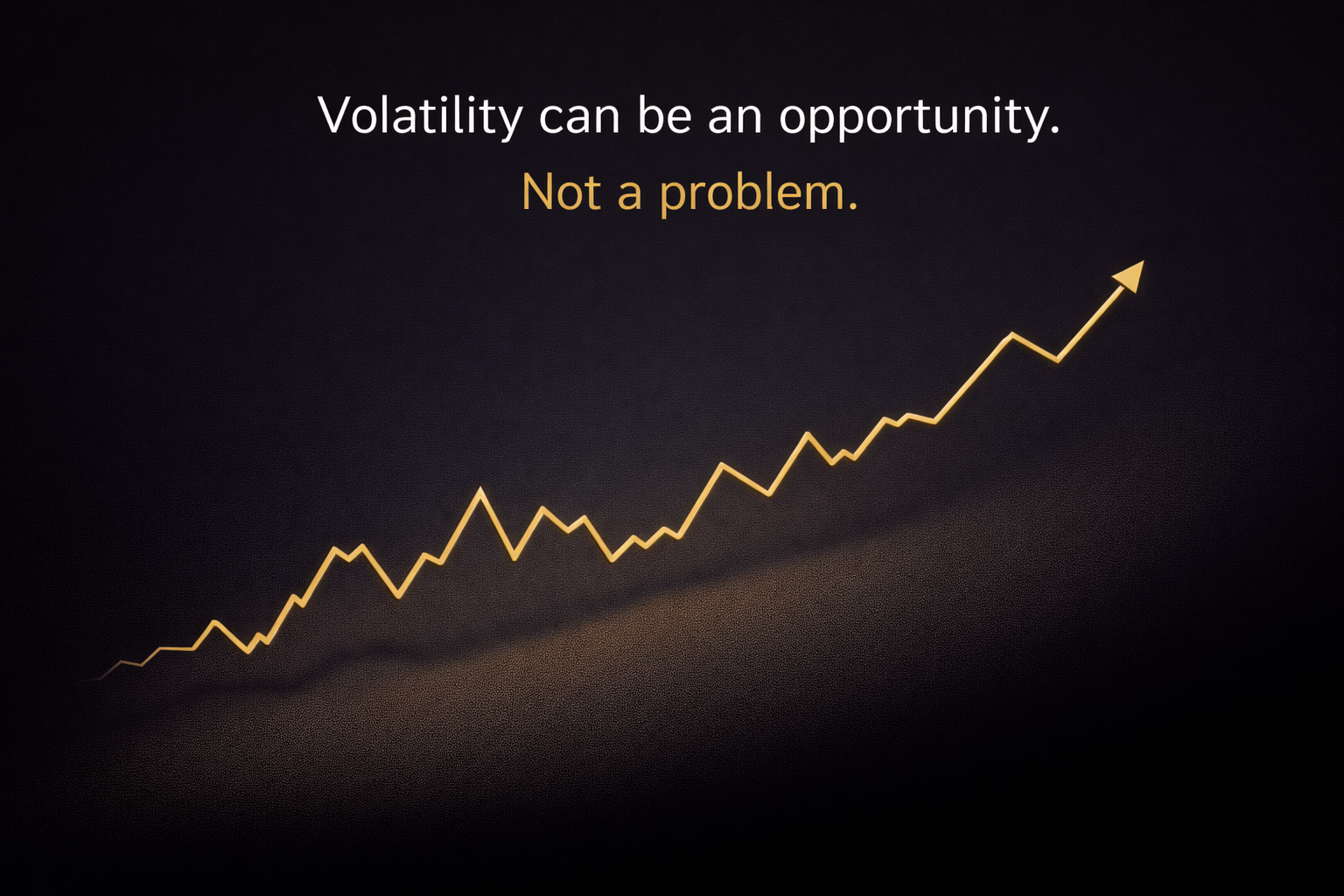
The stock market goes up, and it goes down. That is volatility. It is the price fluctuations in an index or a stock during a fairly short time period; a few weeks, a month, a year, or even few years.
The Sensex was launched only on January 2, 1986, and for the first time closed at 1001 points on July 25, 1990. Just look at it today. And over this time, it went through highs and lows, and bull markets and bear markets, and there were wars and geopolitical conflicts, and economic problems.
American investor Ralph Wanger explains it with three characters: dog (volatile stock prices), dog walker (stock business), dog watcher (investor):
There’s a dog on a very long leash in New York City, darting randomly in every direction. The dog walker is walking from Columbus Circle, through Central Park, to the Metropolitan Museum. At any one moment, there is no predicting which way the dog will lurch. But in the long run, you know he’s heading northeast at an average speed of 3 miles/ hour. Almost all of the dog watchers have their eye on the dog, and not the dog walker. Watch the dog walker.
How to benefit from volatility:
- Volatility is your friend, enabling you to buy more of your equity fund when the market is down.
- Invest consistently via a Systematic Investment Plan (SIP) because it allows you to benefit from volatility. At fixed intervals, money is debited from your account and units of the fund of your selection are bought. If the market is low, you get more units.
- Diversify across asset funds (equity, debt, liquid, gold, silvers, or multi-asset). Within equity, diversify between market caps (large-cap, mid-cap, small-cap funds) and investing styles (value, growth, momentum funds). This balances the portfolio.
- Have a time frame of at least 5 years when it comes to equity. Investing in equity means that you are investing in stocks. Stocks are businesses, and they need time to grow, increase revenue and make profits. The more time you give your investment, the better for you. The potential to create wealth increases if you give your equity investments many more years to grow.
- Volatility comes and goes, growth is gradual and upward over time.